How a Pizza Restaurant Adapts to Changing Food Trends
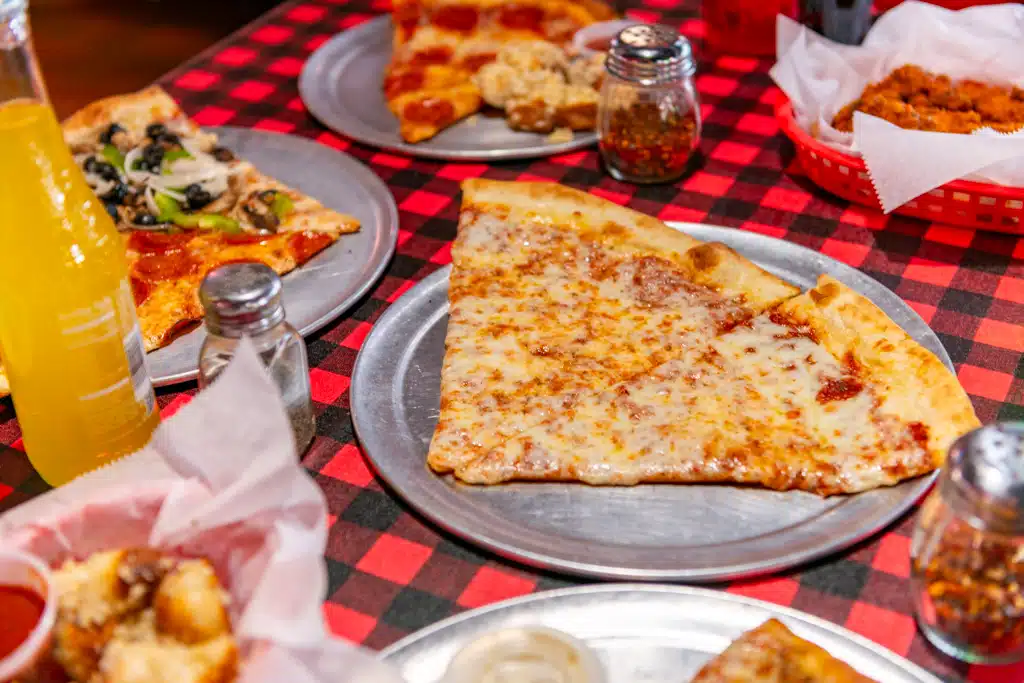

A good pizza restaurant never really stands still. From the outside, it may look stable, even timeless: dough, sauce, cheese, ovens, regulars, Friday rush. But anyone who has spent real time in the business knows the menu is always under pressure. Customer tastes change. Ingredient costs swing. Social media turns a niche topping into a weekly obsession. Health concerns reshape lunch orders. Delivery apps alter how people judge value, speed, and consistency. If a restaurant waits too long to respond, it can drift from relevant to forgettable faster than most owners expect.
That does not mean chasing every trend. In fact, one of the quickest ways for a pizza restaurant to lose its identity is to overreact. A menu built on impulse usually turns into an expensive, cluttered compromise. The stronger approach is to understand which trends reflect a real shift in how people eat, and which are just noise. The restaurant that adapts well keeps its core intact while making thoughtful changes around it.
Trends hit the pizza business from several directions at once
Pizza sits at an unusual intersection in food service. It is comfort food, a shareable group meal, a delivery staple, a late-night option, and increasingly a customizable product. Because of that, trends arrive from several categories at once. Health and wellness influences crust choices and portion expectations. Global flavor trends affect toppings and sauces. Economic trends shape what customers consider a fair price. Technology changes the ordering process, and that changes the menu itself.
A decade ago, a neighborhood shop might have updated the menu every year or two. Now owners often make small adjustments every season and monitor results every week. The speed is different. Customers are exposed to more food content than ever, and they compare restaurants more aggressively. A guest who saw hot honey pizza, vodka sauce pies, or spicy pickled toppings online on Tuesday may walk into a local pizza restaurant on Friday expecting something similar.
The challenge is not simply adding those items. It is deciding whether they fit the brand, whether the kitchen can execute them during a rush, and whether they make money after waste, labor, and delivery commissions are counted. Trend adaptation in pizza is rarely about creativity alone. It is operational judgment.
The menu changes first, but the real shift happens in the kitchen
When people think about food trends, they usually imagine the menu board. In practice, the bigger adaptation often happens behind the scenes. A new topping sounds simple until it affects prep time, storage, cross-contamination procedures, and ticket times on a busy Saturday.
Take plant-based demand. Many customers now want either fully vegan pizzas or at least less meat-heavy choices. On paper, adding dairy-free cheese and a few vegetable-forward pies looks easy. In a real kitchen, it raises several decisions. Does the restaurant keep a separate cutter for vegan pizzas? Is the vegan cheese stable under high heat, or does it break and brown too quickly? Can the staff identify which doughs, sauces, and finishing oils are truly animal-free? If the answer to those questions is sloppy, the restaurant risks disappointing exactly the guests it hoped to attract.
The same is true for gluten-conscious demand. Not every pizza restaurant can or should promise a fully gluten-free environment, especially if flour is constantly in the air. But many can offer a carefully worded gluten-friendly option. The smart operator is honest about limitations. Customers usually accept clear communication. They react badly to vague claims.
In other words, food trends force a restaurant to define its standards more clearly. That can be healthy for the business. It sharpens training, inventory discipline, and menu language.
Health-minded eating changed pizza, but not in the way people predicted
There was a period when many operators feared health trends would push pizza into decline. That never really happened. What changed was the way people justify the purchase. Guests still crave pizza, but many want more control over how indulgent it feels.
That has led to a few practical adjustments across the industry. Thinner crusts tend to perform well because they feel lighter without sacrificing satisfaction. Vegetable-heavy pies sell better when they are designed with intention rather than treated as an afterthought. Portion flexibility matters more now, which is one reason personal pizzas, half-and-half builds, and smaller dine-in formats have gained traction in many markets.
Protein also plays a different role than it once did. Some customers are reducing meat consumption, while others actively seek high-protein meals. A pizza restaurant can serve both by broadening topping combinations instead of forcing a single menu philosophy. Roasted chicken, seasoned chickpeas, ricotta, mushrooms, spinach, and sharper cheeses can all support that shift, depending on the concept.
One operator I know resisted adding a cauliflower crust for nearly two years because he considered it a fad. Eventually he tested it, not because he believed it would replace traditional dough, but because too many group orders included one person asking for an alternative. That turned out to be the real value. The crust itself never became a bestseller, but it prevented lost group sales. A family that can satisfy four different eating preferences in one order is more likely to come back. That is a recurring lesson in trend adaptation: sometimes the item is not there to dominate sales, but to remove friction.
Flavor trends matter, but local taste still wins
Global flavors have had a strong influence on pizza in the last several years. Chili crisp, hot honey, paneer, Korean barbecue, Mexican street corn-inspired toppings, and regional Italian ingredients have all appeared on menus with varying success. But the best pizza restaurants do not add international flavors just to look current. They look for combinations that make sense on dough, survive the oven, and remain legible to the customer.
There is a practical test that many operators use without formally naming it: can a guest understand the pizza in five seconds? A pie with mozzarella, soppressata, hot honey, and Calabrian chili passes. It sounds craveable and familiar, even with a trend-forward edge. A pie loaded with six imported ingredients and a complicated garnish may impress on social media but die on the menu because customers do not know what they are buying.
Regional differences matter too. A downtown restaurant with younger foot traffic may sell a fermented chili and stracciatella special all weekend. A suburban carryout-heavy shop may do better with a buffalo chicken pie updated with fresher ingredients and a cleaner finish. Neither approach is more sophisticated. They simply respond to different buying behavior.
Restaurants that adapt well usually keep one foot planted in the local market. They pay attention to actual order data, not just trend articles or national chains. If customers in a given neighborhood love spicy food, the menu can lean into that. If they prefer classic combinations but show interest in one adventurous special per month, that is the right level of change. The goal is not to look fashionable. The goal is to sell pizza people genuinely want to reorder.
Dietary accommodation is no longer a side issue
There was a time when dietary requests felt like a niche concern. That is no longer true. Allergies, intolerances, ethical eating choices, religious restrictions, and wellness goals all affect ordering behavior. A pizza restaurant that treats these needs casually leaves money on the table and creates avoidable service problems.
What matters most is not how many accommodation options exist, but how confidently the restaurant handles them. Guests notice hesitation. If someone asks whether the pesto contains nuts, whether the sausage is pork-based, or whether the dairy-free cheese shares a prep area with regular cheese, the answer needs to be clear.
This is where smaller menu engineering decisions become important. A restaurant may decide to simplify certain recipes so common questions are easier to answer. It may color-code allergens in the POS system. It may train staff to ask one extra follow-up question when customers mention an allergy, rather than making assumptions. These are not glamorous changes, but they affect trust, and trust drives repeat business.
A carefully adapted pizza restaurant often ends up with a menu that feels more modern simply because it is more transparent. Ingredient lists are clearer. Customization is easier. Staff explanations are more precise. That responsiveness can be more valuable than any single trend item.
Delivery changed the way pizza is designed
No category was more obviously shaped by delivery culture than pizza, yet many restaurants still underappreciate how much delivery changes product development. A pizza that eats beautifully at a table may arrive limp after twenty minutes in a box. A topping that looks attractive in the oven can steam itself into mush during transport. Crunch, heat retention, moisture control, and packaging are all part of trend adaptation now.
This affects more than just core pies. Salads, appetizers, desserts, and beverages all have to survive travel if off-premise sales are a major part of revenue. During periods when delivery became dominant, many operators learned painful lessons about which menu items were profitable in theory but disappointing in practice.
A smart pizza restaurant adapts by editing for travel quality. That may mean par-baking some specialty pies differently, changing the cut on certain vegetables, reducing wet toppings, or using finishing sauces on the side. It may mean swapping flimsy boxes for vented packaging that costs a few cents more but preserves texture. Those small choices have a direct effect on reviews.
Here are a few of the most reliable questions operators ask before introducing a trend-driven item:
- Will it hold for at least twenty minutes without losing its appeal?
- Can the line execute it during peak volume?
- Does it photograph well without requiring unrealistic styling?
- Is the food cost still acceptable after waste and modifiers?
- Will customers understand it quickly enough to order it without extra explanation?
If the answer is no to three of those five, the item usually does not belong on the permanent menu.
Price sensitivity has become its own food trend
Economic pressure changes food trends as surely as wellness culture does. When household budgets tighten, customers do not necessarily stop ordering pizza. They become more deliberate about what feels worth it. That difference matters.
A pizza restaurant adapting to this environment often revisits portion architecture before slashing quality. It may introduce a well-priced weeknight special, a two-person bundle, or a lunch format that captures traffic from customers who have scaled back dinner spending. It may reduce menu bloat so inventory turns faster and waste falls, preserving margin without obvious shrinkage.
Value also has to be visible. If a premium pie costs several dollars more, customers want to understand why. Better ingredients, house-made sausage, imported cheese, longer-fermented dough, or larger portion size can justify the price, but the menu has to communicate that in plain language. Generic descriptions weaken value perception.
One independent owner I worked with saw a sharp rise in resistance to high-ticket specialty pizzas, even though total demand remained solid. The problem was not simply price. It was menu framing. Once he rewrote the descriptions to explain the ingredients more clearly and tightened the selection from fourteen specialty pies to eight stronger ones, average check recovered. Guests were willing to pay, but they wanted conviction, not confusion.
Seasonal menus work best when they stay disciplined
Seasonality gives a pizza restaurant a clean way to respond to trends without overcommitting. Limited-time pies, rotating salads, or short-run desserts create urgency and help gauge demand. They also let the kitchen test ingredients before making them permanent.
The mistake is treating seasonal launches like a creative free-for-all. In practice, the best seasonal items are often the most controlled. One or two distinctive ingredients are usually enough. Summer may bring charred corn, basil, lemon, and lighter cheeses. Fall may lean into squash, sage, caramelized onion, or spicier cured meats. Winter might favor richer sauces and baked pastas if the concept supports them. Spring often rewards bright herbs and green vegetables.
Seasonality can also stabilize food cost if used wisely. When produce is abundant and local, quality improves and pricing often makes more sense. Of course, that depends on market conditions, region, and supplier relationships, so operators still need flexibility. Romantic notions about seasonal cooking mean very little if the tomatoes are weak or the basil price is absurd that week.
Customers tend to respond best when seasonal specials feel connected to the restaurant’s identity. A New York slice shop adding one summer pie for a month feels natural. The same shop suddenly offering five unfamiliar flatbreads, two grain bowls, and a peach burrata program may feel like it lost focus.
Data helps, but owners still need instinct
Modern restaurant systems offer more sales data than most https://riverknvo260.theglensecret.com/how-to-find-a-pizza-restaurant-that-uses-fresh-dough-daily operators had access to in the past. You can track modifier frequency, daypart performance, app behavior, coupon response, and item profitability in detail. That information is useful, especially when food trends move quickly. But raw numbers do not replace judgment.
Sales data may show that a novelty item sold well for two weekends. That does not mean it deserves a permanent spot. It may have benefited from launch excitement, influencer traffic, or weather. On the other hand, an item with moderate sales but strong attachment behavior, meaning customers add it to larger profitable orders, may be more valuable than it first appears.
Experienced restaurateurs combine data with direct observation. They watch what comes back to the dish area half-eaten. They listen to servers describe what guests ask before ordering. They note whether customers customize around a menu item because the base concept is close but not quite right. They pay attention to the emotional tone of feedback, not just star ratings.
That kind of pattern recognition is hard to teach but essential in a trend-driven market. Numbers tell you what sold. Floor awareness tells you why.
Staff buy-in determines whether the adaptation actually works
Many trend adjustments fail because the menu changes faster than the staff can absorb them. A new pizza may be technically excellent, but if the front of house cannot describe it confidently and the line dreads making it during peak service, it will underperform.
Training does not need to be elaborate, but it must be specific. Staff should taste new items, learn the key selling points, and understand which guests are most likely to order them. The kitchen should test builds under real service conditions, not just in a calm afternoon meeting. If the item adds ninety seconds to a station already under pressure, that issue needs fixing before launch.
A pizza restaurant with strong internal communication often adapts faster because small problems surface early. A prep cook may point out that a trending topping has an unworkable shelf life. A driver may notice which boxes arrive soggy. A server may report that guests love the idea of a seasonal pie but keep asking for a different cheese combination. Those details save money and protect reputation.
The restaurant business still runs on execution. Trends can create traffic, but only consistency creates regulars.
Brand identity is the filter that keeps adaptation from turning into drift
The strongest pizza restaurants are not rigid, but they are recognizable. Customers know what the place stands for. That identity could be traditional New York slices, naturally leavened artisan pies, family-style neighborhood comfort, fast-casual customization, or late-night delivery. Whatever the model, food trends should pass through that filter.
That is why adaptation looks different from one restaurant to another. A classic red-sauce shop may respond to demand for plant-based eating by perfecting one excellent vegan pie and a dairy-free baked pasta, rather than rebuilding the whole menu. A wood-fired concept may lean into seasonal produce and imported pantry ingredients. A college-town pizza restaurant may focus on bold flavors, bundle pricing, and limited-time novelty slices that drive social engagement.
Here is where operators tend to make the best strategic decisions:
- Keep the core items stable enough that loyal guests never feel displaced.
- Use specials to test demand before making permanent menu additions.
- Adapt wording, packaging, and service style alongside the food itself.
- Say no to trends that fight the equipment, labor model, or brand promise.
- Review not just sales, but repeat purchases and operational strain.
Those principles sound simple, but they are what separate thoughtful adaptation from random menu churn.
The restaurants that last learn how to evolve without looking anxious
Customers can feel when a restaurant is trying too hard. Menus packed with buzzwords, trend items piled on without restraint, and constant reinvention often read as uncertainty. By contrast, the restaurants that handle change well appear calm. They introduce new ideas selectively. They communicate them clearly. They maintain standards on the classics. They make the guest feel that the restaurant knows exactly what it is doing.
That confidence usually comes from experience. Most seasoned operators have tried things that flopped. They have bought specialty ingredients that barely moved, overestimated social media demand, or added menu options that slowed the line to a crawl. Those mistakes are expensive, but they teach an important lesson: adaptation is not about speed alone. It is about fit.
A successful pizza restaurant pays attention to food trends because it has to. Customer expectations are not static, and neither is the competitive landscape. But the restaurants with staying power do something more difficult than trend chasing. They translate broad shifts in eating habits into practical, profitable decisions that still feel true to the shop’s character.
That is the real craft behind adaptation. Not the flashy special, not the viral topping, not the one-week spike in orders. The craft is knowing which changes deserve a place beside the dough recipe that built the business in the first place.